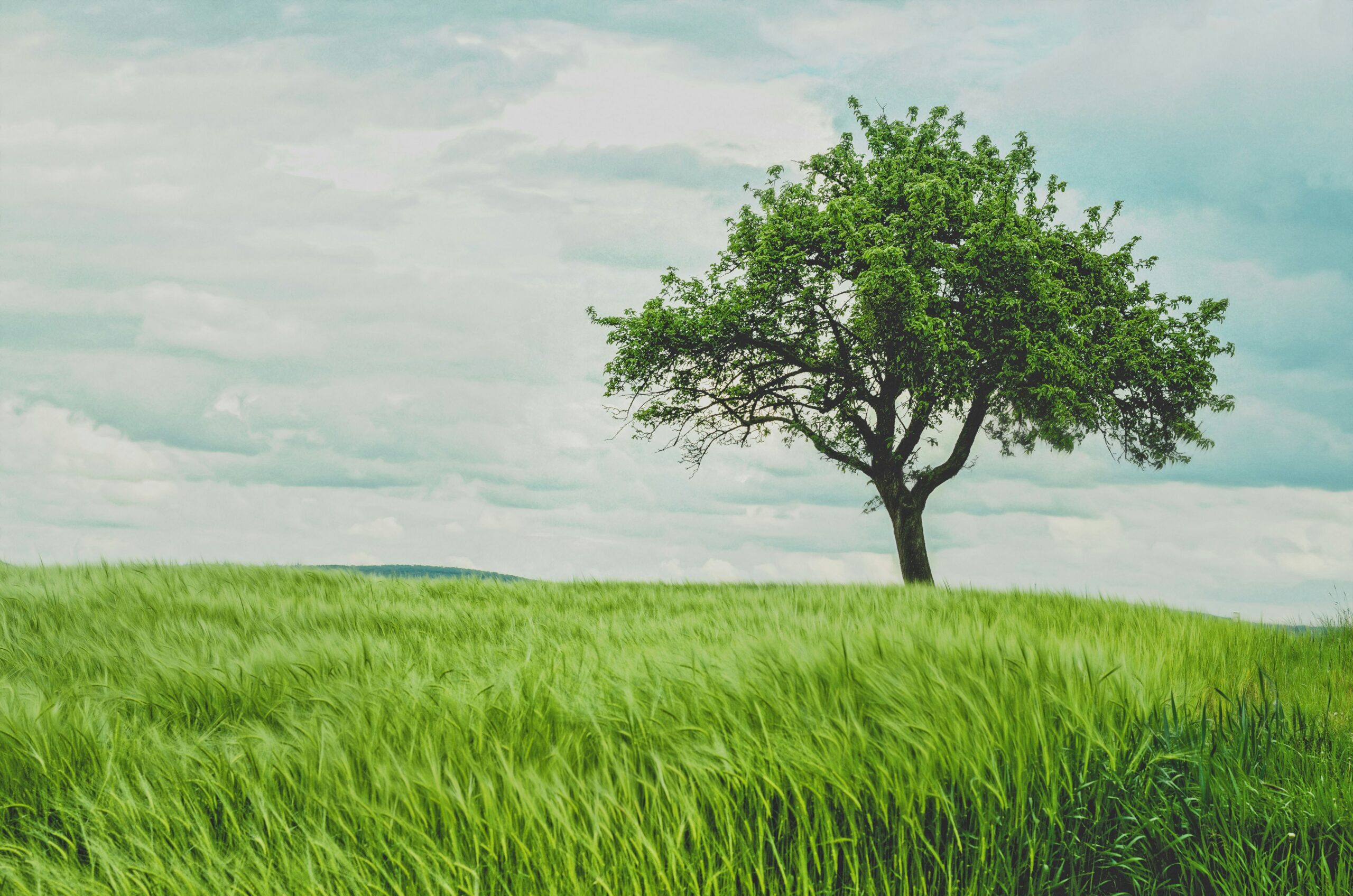
The Fascinating World of Green Trees: Nature’s Lungs


Introduction to Green Trees
Green trees are remarkable organisms that occupy a pivotal role in our ecosystem. From towering oaks to slender pines, these perennial plants belong to the kingdom Plantae and are primarily classified within the group of vascular plants, known as Tracheophytes. Their classification further encompasses distinct families, genera, and species, showcasing the vast diversity that exists within the realm of green trees.
One defining characteristic of green trees is their evergreen leaves, which enable them to retain foliage throughout the seasons. This adaptability allows them to maintain photosynthetic activity year-round, contrasting with deciduous trees that shed their leaves in autumn. Photosynthesis, the process through which green trees convert sunlight into energy, plays a crucial role in the oxygen production vital for the survival of many life forms on Earth. Through this process, trees uptake carbon dioxide, thereby acting as natural filters to improve air quality.
In addition to their contributions to oxygen production, green trees are instrumental in promoting biodiversity. They provide habitats for various species, ranging from birds and insects to mammals, fostering complex ecosystems that thrive in their canopies and root systems. Furthermore, green trees help prevent soil erosion, regulate local climates, and mitigate the impact of flooding by absorbing excess rainwater through their root systems.
The significance of green trees can also be observed in urban settings, where they enhance aesthetic values, improve air quality, and provide shade, thereby promoting healthier living conditions for communities. The interplay between green trees and their surrounding environment underscores their essential role in sustaining ecological balance. As we delve deeper into the fascinating world of green trees, we begin to comprehend their profound impact on both biodiversity and environmental health.
The Ecological Importance of Green Trees
Green trees are vital components of our ecosystems, playing essential roles in maintaining ecological balance. One of the primary ecological functions of trees is their ability to provide habitat and food for a diverse range of wildlife. Various species depend on trees for shelter, nesting sites, and sustenance. Whether it is birds, mammals, insects, or other organisms, green trees form an intricate web of life that supports biodiversity. This biodiversity is crucial not only for the ecosystem’s health but also for human well-being, as it contributes to soil fertility and pest control.
In addition to serving as habitats, green trees significantly improve air quality. They act as natural air filters by absorbing carbon dioxide and releasing oxygen through the process of photosynthesis. This function is particularly relevant in the context of climate change, as trees mitigate greenhouse gas emissions and contribute to carbon sequestration. By sequestering carbon, trees help regulate the Earth’s climate and combat global warming, showcasing their importance in our fight against climate change.
Moreover, green trees play a critical role in soil conservation and water retention. Their roots help bind the soil, preventing erosion, while their canopy reduces the impact of rainfall, allowing water to seep gradually into the ground. This process not only conserves topsoil but also enhances groundwater recharge. Consequently, healthy tree populations are integral to maintaining the hydrological cycle, ensuring that water remains available for both ecological and human needs.
The interdependence of green trees and other ecosystem components underscores their significance. Trees not only contribute to the stability and productivity of ecosystems but also support the myriad of services that sustain life on Earth. Recognizing and valuing the ecological importance of green trees is vital for fostering a sustainable future where both nature and humanity can thrive.
Cultural Significance of Green Trees
Green trees hold a profound cultural and historical significance across various societies, serving as symbols of life, prosperity, and resilience. In many traditions, specific trees are revered and embody a rich tapestry of meanings. For instance, the oak tree is often associated with strength and endurance in Celtic cultures, while the bamboo symbolizes flexibility and longevity in Asian societies. These cultural symbols often extend into rituals, folklore, and community practices, reflecting the deep connection between humans and nature.
Moreover, green trees have played an essential role in traditional medicine. Various species have been utilized for their medicinal properties, contributing to the health practices of numerous cultures. The use of the willow tree, for example, dates back centuries, with its bark containing salicylic acid, the active ingredient in aspirin. Indigenous cultures worldwide have also relied on trees such as the neem and the moringa for their healing benefits, showcasing the intertwining of nature and culture in promoting well-being.
In addition to their medicinal uses, green trees are frequently depicted in art and literature, symbolizing ideals such as growth and harmony. They feature prominently in works from nature-inspired poetry to visual art, serving as a muse for creative expression. Famous artists and writers have drawn inspiration from the majestic presence of trees, illustrating their importance in the human experience.
Green trees also play a vital role in urban planning, enhancing community spaces and contributing to the overall quality of life. Their integration into urban environments fosters mental well-being, improves air quality, and provides recreational areas for residents. Parks and tree-lined streets not only beautify cities but also promote social interaction, making green trees essential components of sustainable urban development.
Conservation and the Future of Green Trees
The survival of green trees is increasingly threatened by a myriad of factors, including deforestation, climate change, and urbanization. Deforestation, driven primarily by agricultural expansion, logging, and infrastructure development, significantly reduces forest cover, leading to the loss of biodiversity and the disruption of ecosystems. As green trees are crucial for carbon sequestration, their removal exacerbates the impacts of climate change, further endangering their existence. Urbanization brings its own challenges, with sprawling cities encroaching upon natural habitats, resulting in the fragmentation of tree populations and diminished green spaces.
To combat these threats, numerous initiatives and strategies for tree conservation have emerged. Tree conservation efforts often focus on both protection and restoration. Protected areas, such as national parks and wildlife reserves, play a vital role in safeguarding existing forests. Initiatives like reforestation and afforestation aim to replenish diminished tree cover by planting new trees, thus contributing to ecological restoration. Furthermore, community involvement is essential; local citizens can participate in tree planting programs, which not only enhance urban landscapes but also foster a sense of stewardship among residents.
The role of sustainable forestry practices cannot be understated. Sustainable forestry ensures that timber production does not compromise the health of forests, allowing green trees to thrive while providing necessary resources. Practices such as selective logging, agroforestry, and the maintenance of forest ecosystems contribute to the longevity and vitality of green tree populations.
As stewards of the environment, it is imperative for individuals to engage in conservation efforts. Whether through participating in local tree planting events, supporting legislation for conservation, or simply spreading awareness about the critical importance of green trees, everyone can contribute positively to the future of these vital natural resources. Promoting the growth and health of green trees not only benefits the environment but also enhances the quality of life within communities.